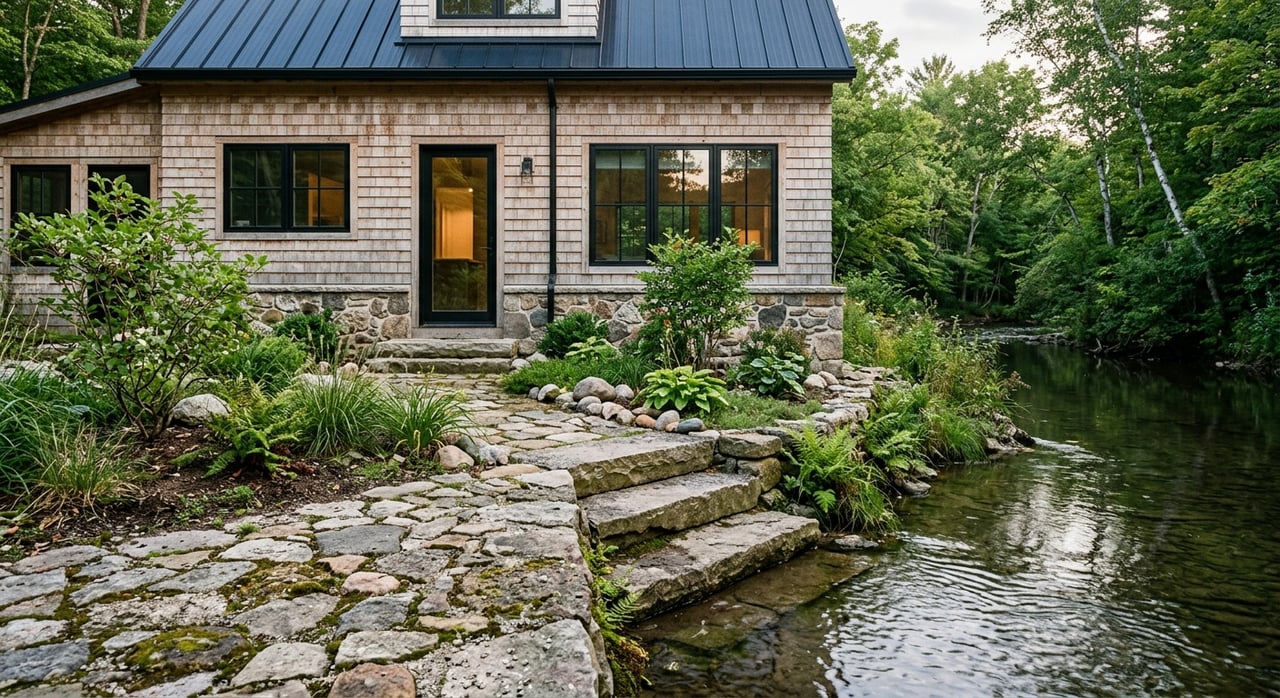
Waterfront in the Betsie and Platte area is not one-size-fits-all. A riverfront home can feel quiet, wooded, and close to paddling or fishing, while a lakefront property may offer broader views, dock use, and a more classic up-north shoreline lifestyle. If you are trying to decide which setting fits the way you actually want to live, this guide will help you compare the tradeoffs with local context in mind. Let’s dive in.
Waterfront Means Different Things Here
In the 49635 area and across Benzie County, “waterfront” can mean several very different property types. You may be comparing river frontage on the Betsie, inland-lake frontage on Platte Lake or Crystal Lake, or even Lake Michigan frontage.
That distinction matters because these options do not offer the same shoreline conditions, access patterns, or ownership considerations. A property on the Betsie River will live very differently from one on Crystal Lake, and both differ from Lake Michigan frontage in terms of exposure and shoreline complexity.
Betsie Riverfront at a Glance
The Betsie River is a Michigan Natural River that runs through Grand Traverse, Benzie, and Manistee counties before reaching Betsie Lake and Lake Michigan near Elberta and Frankfort. Large portions of the corridor are tied to state forest land, and near the mouth, the river also connects with the Betsie River State Game Area.
For many buyers, that setting creates a more natural and wooded feel. It can be a strong fit if you picture your waterfront life as quieter, more private, and closely tied to the surrounding landscape.
Why buyers like the Betsie
The Betsie is well known locally for paddling and fishing access. The Homestead Dam access site is a popular launch for kayakers and for salmon and steelhead anglers, though it is carry-down only and does not have an improved ramp.
The river is also listed by the Michigan DNR for brown trout, Chinook salmon, and steelhead. If your ideal property puts fishing and river recreation high on the list, Betsie frontage can be especially appealing.
What shapes the Betsie experience
One of the biggest differences on the Betsie is regulation. Natural River rules apply to designated stream segments and regulate nearly all construction, land change or earth-moving, and structure placement within 400 feet of the river.
In practical terms, those rules often help preserve a more natural corridor feel than you might find on a less regulated shoreline. For buyers, that can be a plus if you value a scenic, less intensely built-up setting. It also means you will want to understand site constraints early if you are thinking about changes to the property.
Platte-Side Lakefront at a Glance
The Platte River watershed covers the northern part of Benzie County and includes more than a dozen lakes. It also passes through the Platte River State Fish Hatchery and Sleeping Bear Dunes National Lakeshore, giving the broader area a strong conservation and recreation identity.
When buyers say they want “lakefront” in this part of the market, Platte Lake is often part of the conversation. Platte Lake is 2,516 acres with a maximum depth of about 90 feet, making it a substantial inland-lake option.
Why buyers like Platte Lake
Platte-side living can offer the classic lake-house rhythm many people want. That often includes open-water views, swimming, dock use, and easier day-to-day lake recreation than a typical riverfront property.
At the same time, the surrounding watershed remains strongly protected. About 76% of the Platte watershed is publicly owned by the National Park Service or the State of Michigan, which helps shape the area’s broader natural setting.
What to know about shoreline feel
Platte Lake shoreline is described by the DNR as heavily developed with homes and cottages except for the southeastern shore. That means the immediate shoreline experience may feel more residential and active than what you often find along the Betsie.
For some buyers, that is exactly the point. If you want a more traditional lakefront environment with neighbors, docks, and steady summer use, Platte Lake may feel more aligned with your goals.
Crystal Lake Is Its Own Category
Crystal Lake deserves separate mention because it is one of the area’s standout inland-lake choices. It is 9,854 acres, reaches about 165 feet at maximum depth, and sits near Beulah and Benzonia.
The Benzie Conservation District describes Crystal Lake as deep and exceptionally clear, with 21 miles of shoreline and some of the highest shoreline property values in Northern Michigan. If your idea of lakefront includes big inland-water views and a premium shoreline setting, Crystal Lake may be the benchmark against which you compare everything else.
Recreation Differences Matter
The easiest way to choose between riverfront and lakefront is to think about how you want to use the water most days, not just once or twice each summer. Your best fit often comes down to paddling versus swimming, casting versus docking, or wooded corridor versus open-water living.
Best fit for paddling
The Platte River is known for calm, shallow, clear water and no rapids. The float route can run from the Fish Weir below Loon Lake to the mouth at Lake Michigan, making the Platte side especially appealing for tubing, casual kayaking, and family paddling.
The river is also groundwater-fed and generally stable, with only minor flow fluctuations after rain. That consistency adds to its appeal for easy recreational use.
Best fit for fishing
Both river systems offer strong fishing appeal, but the species and experience vary slightly. The Betsie is listed for brown trout, Chinook salmon, and steelhead, while the Platte is listed for brown trout, coho salmon, and steelhead.
The Platte also has a unique connection to regional fisheries through the Platte River State Fish Hatchery, which is the birthplace of the Great Lakes salmon program and the main egg-collection site for coho salmon in the upper Great Lakes. If angling is central to your waterfront lifestyle, it helps to match the property to the kind of access and fishery you value most.
Best fit for swimming and dock use
If you picture jumping off the dock, swimming with family, and enjoying broad lake views from the deck, inland-lake frontage is usually the more natural fit. Platte Lake and Crystal Lake better match that style of use than a typical riverfront home.
Riverfront can still be highly enjoyable, but it usually supports a different rhythm. It is often more about launching a kayak, enjoying the wooded setting, or spending quiet time along the water rather than centering daily life around beach and dock activity.
Privacy, Setting, and Lot Feel
A waterfront search is also a search for a certain feeling. In this market, the Betsie and the inland lakes tend to offer different versions of that experience.
Riverfront often feels more natural
Because of the Natural River framework and the forested character along parts of the corridor, Betsie frontage often appeals to buyers who want a quieter and more natural setting. Many stretches feel less intensely developed and more connected to the surrounding woods.
If your version of waterfront living is peaceful, low-key, and scenery-first, that can be a major advantage. You may be trading some open-water features for a more sheltered and natural environment.
Lakefront often feels more open
Lakefront properties on Platte or Crystal tend to deliver the broader visual experience many buyers imagine when they think of a waterfront second home. Open horizons, room for docks, and easy access to swimming or boating often come with a more classic lake-house feel.
That openness can also mean a more active shoreline environment, depending on the lake and location. The right choice depends on whether you want your property to feel tucked in or opened up.
Permits and Shoreline Rules to Factor In
No matter which waterfront type you choose, shoreline rules should be part of your decision early. In Michigan, EGLE oversees many inland-lake and stream activities, including dredging, filling, structures on bottomlands, marinas, and activities that interfere with natural flow.
Its guidance notes that items such as docks, piers, boat wells, boat lifts, boardwalks, fences, and decks can require permits. That does not mean every property will face the same process, but it does mean waterfront improvements deserve careful review before you buy.
Special note on Lake Michigan frontage
If you are also considering Lake Michigan frontage in the broader Betsie or Platte area, keep in mind that it is a separate category from inland lakefront. EGLE notes that natural shoreline treatments are often recommended, and USGS has reported that erosion and flooding have caused extensive damage along the Lake Michigan coast.
For some buyers, the bigger horizon and beach access are worth that added exposure. For others, an inland lake or riverfront property may offer a simpler ownership experience.
If a property is near Sleeping Bear
Properties inside Sleeping Bear Dunes National Lakeshore or close to Platte River District amenities can come with a different context. Public-use areas like Platte River Point offer beach access, picnic amenities, and a canoe, kayak, or small-boat launch, but those amenities are not the same as private waterfront ownership.
That matters when you are comparing value. A nearby public access point can be a real lifestyle benefit, but it should not be confused with direct private frontage.
How to Choose the Right Fit
If you are still deciding, it helps to narrow the question to your daily priorities. Here is a simple way to think about it:
- Choose Betsie riverfront if you value a more wooded setting, a natural corridor feel, paddling access, and strong trout or salmon fishing appeal.
- Choose Platte or Crystal lakefront if you want swimming, dock use, open-water views, and a more traditional inland-lake lifestyle.
- Consider Lake Michigan frontage if your top priority is big-water scenery and beach access, and you are comfortable with more shoreline exposure and complexity.
In the end, the best waterfront property is the one that matches how you want to spend your time. In Benzie County, small differences in shoreline type can lead to very different ownership experiences.
If you want help comparing riverfront, inland-lakefront, or other waterfront options around Beulah, Frankfort, Crystal Lake, Platte Lake, and the Betsie or Platte corridors, The Jon Zickert Group can help you evaluate the details with local waterfront insight.
FAQs
What is the difference between Betsie Riverfront and Platte Lakefront in Benzie County?
- Betsie Riverfront often offers a more wooded, natural-corridor setting with strong paddling and fishing appeal, while Platte Lakefront is typically a better fit for swimming, dock use, and open-water lake living.
Is the Betsie River regulated for waterfront property improvements?
- Yes. Natural River rules regulate nearly all construction, land change or earth-moving, and structure placement within 400 feet of designated stream segments along the Betsie.
Is Platte River better for casual paddling in the Betsie–Platte area?
- For many buyers, yes. The National Park Service describes the Platte River as calm, shallow, clear, and free of rapids, which makes it especially appealing for tubing, casual kayaking, and family paddling.
What should you know about Crystal Lake waterfront near Beulah?
- Crystal Lake is a large inland lake near Beulah and Benzonia that is known for exceptional clarity, 21 miles of shoreline, and some of the highest shoreline property values in Northern Michigan.
Do docks and shoreline structures require permits on Benzie County waterfront property?
- They can. EGLE oversees many inland-lake and stream activities, and features such as docks, piers, boat lifts, boardwalks, fences, and decks may require permits depending on the property and project.