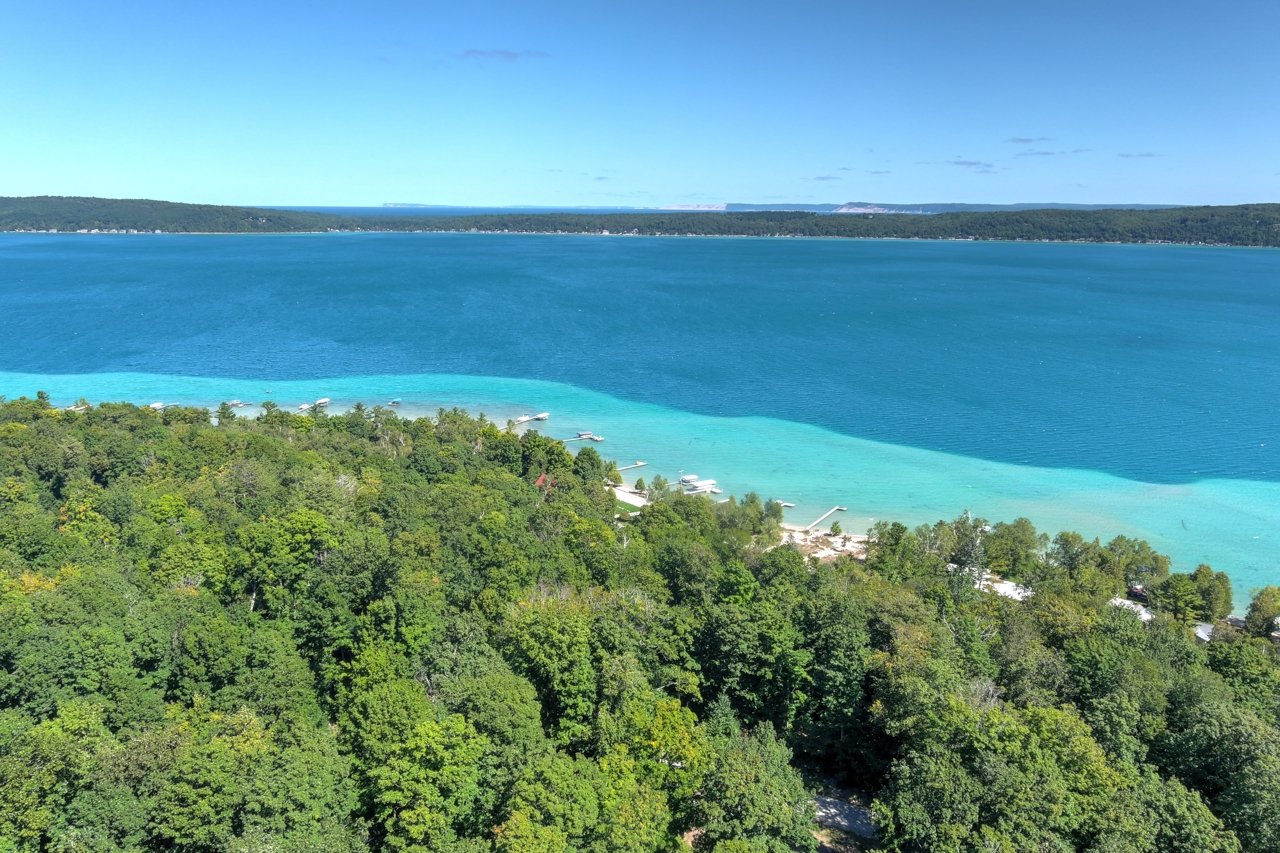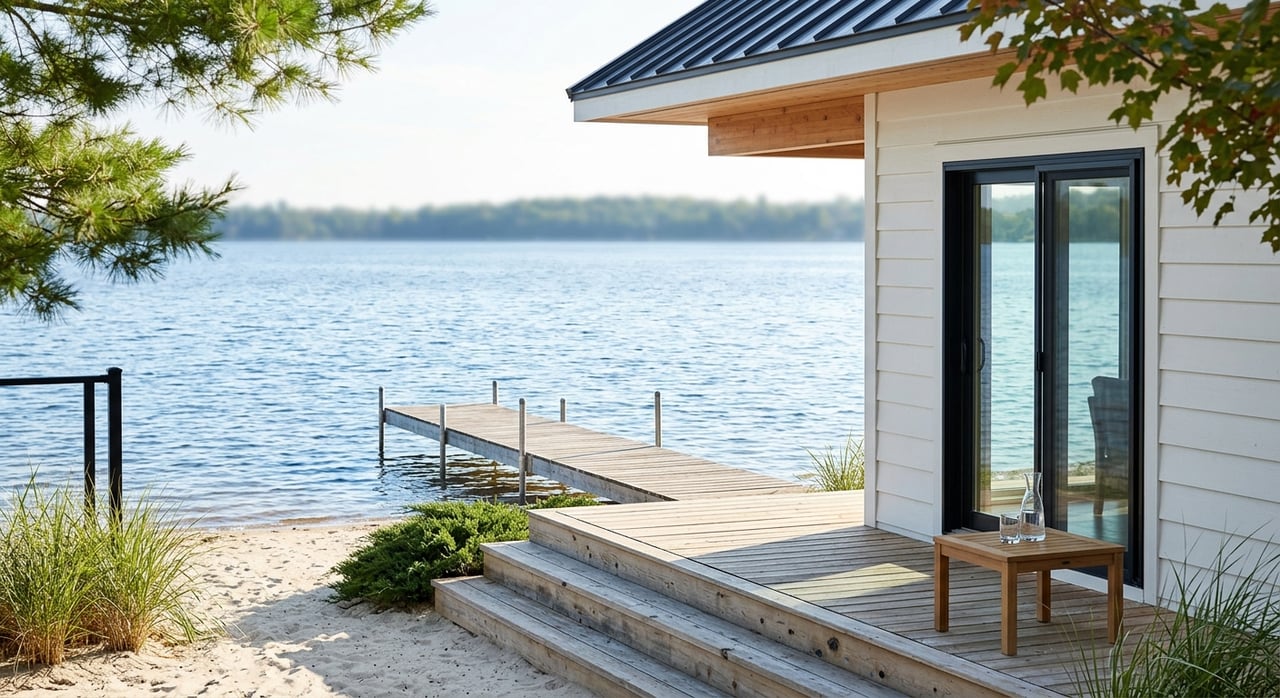
We often represent buyers and sellers of Traverse City area waterfront properties. Wondering whether Traverse City bayfront and inland-lake homes belong in the same search? In many cases, they do not. While both offer water access and a Northern Michigan lifestyle, they often differ in price, inventory, privacy, and how you use the property day to day. If you are comparing waterfront options in Traverse City and Grand Traverse County, this guide will help you understand where the biggest differences show up and what to watch before you buy or sell. Let’s dive in.
Why lakefront categories matter
In the Traverse City area, not all waterfront is priced or marketed the same way. Bayfront homes are tied to Grand Traverse Bay, which connects to Lake Michigan and carries a distinct Great Lakes appeal. Inland-lake homes compete on a different set of features, including lake size, dockability, shoreline feel, and privacy.
That difference matters because buyers often start with a broad goal like “waterfront in Traverse City” and then realize they are actually weighing two separate markets. One may fit your budget and lifestyle far better than the other. Understanding that early can save you time and help you make a sharper decision.
Bayfront homes in Traverse City
Bayfront property in Traverse City sits in one of the area’s most recognizable waterfront settings. The city’s location on West Grand Traverse Bay helps drive demand from both local and out-of-state buyers. According to a Realtor.com report on Traverse City’s appeal, about half of prospective buyers come from out of state.
That demand helps support a premium tier of waterfront real estate. Bayfront homes, especially in high-profile locations, are often connected to bigger water views, proximity to downtown, and the status that comes with Great Lakes frontage. For many buyers, that combination is the draw.
Bayfront pricing tends to lead the market
If you are comparing broad county numbers to true bayfront listings, the gap is significant. Grand Traverse County’s market snapshot showed a median home price of $479,900, while Traverse City was listed at $525,000. Downtown Traverse City, however, showed a median listing price of $1.339 million.
At the top of the waterfront market, the numbers move much higher. Realtor.com reported that waterfront homes on Old Mission Peninsula are more commonly priced from $2.5 million to $7 million, with at least one listing at $9.5 million. That tells you bayfront is not simply a small step above the rest of the market. It is often a separate luxury segment.
Bayfront inventory is limited
Waterfront supply is tight, especially in the most central and recognizable parts of Traverse City. A Traverse City waterfront search on Realtor.com showed 120 waterfront homes within city residential boundaries, while Grand Traverse County showed 132 waterfront homes overall. Those figures include multiple waterfront types, so the true number of prime bayfront options is smaller than it may first appear.
The tighter picture shows up even more clearly downtown. A Downtown Traverse City waterfront search showed just 9 active homes. When supply is that thin, buyers often need to move with purpose when the right property appears.
Inland-lake homes offer more variety
Inland-lake real estate around the Traverse City area is more segmented. Some inland lakes are modest and quiet. Others are high-demand destination markets in their own right. That means you should be careful about assuming inland-lake automatically means lower price or easier entry.
Instead, inland-lake value often depends on the lake itself and the features of the specific parcel. A sandy bottom, usable frontage, a private dock, and all-sports access can strongly shape pricing and demand.
Inland-lake pricing covers a wider range
One reason inland-lake markets appeal to so many buyers is flexibility. The category includes a wider spread of price points than prime bayfront. Traverse City zip code snapshots also show how pricing can shift across the area, with 49684 at $744,000, 49685 at $499,450, 49696 at $557,500, and 49686 at $355,000. These are mixed-area numbers, not waterfront-only data, but they still help show how quickly pricing can change by location.
Even so, top inland lakes can command serious prices. In Lake Leelanau’s market snapshot, the median home sale price was $1.0975 million. Realtor.com also noted that Torch Lake, often used as a regional benchmark, has a median list price near $1 million, with waterfront properties that commonly range from about $950,000 to $10 million.
Inland lakes can offer privacy and usability
For some buyers, inland lakes win on feel rather than headline prestige. These properties may offer a more private shoreline setting, easier docking, and a lake environment that better suits boating, swimming, or a quieter retreat. The right inland-lake property can check boxes that some bayfront homes do not.
Listing examples in the research show why features matter so much. One bayfront listing highlighted Great Lakes frontage, sandy shoreline, and dock access, while a Lake Leelanau listing emphasized inland-lake frontage, all-sports water, sandy bottom, and a private dock. Those differences are practical, not cosmetic, and they can shape your experience every season.
The biggest market differences
If you are deciding between bayfront and inland-lake property, a few factors usually matter most.
Price ceiling
Bayfront usually sets the highest budget ceiling in the Traverse City area. That is especially true for premium locations near downtown or on Old Mission Peninsula. Inland lakes may offer more entry points, but the best inland-lake homes can still reach well into the seven figures.
Inventory and competition
Both categories can be tight, but true bayfront inventory is usually more limited. Inland-lake supply can also be very thin on specific lakes. For example, Lake Leelanau’s waterfront search showed only 3 waterfront homes within its residential boundaries.
Lifestyle fit
Bayfront often appeals to buyers who want big-water views and access near Traverse City’s restaurants, marinas, beaches, and events. Inland lakes may appeal more if you want a different pace, more privacy, or a very specific boating and shoreline experience. Neither is better in every case. The right fit depends on how you plan to use the property.
Property-specific features
The water body matters, but the details matter just as much. You will want to compare:
- Shoreline quality
- Water depth
- Sandy versus rocky bottom
- Dockability and access
- Lot slope and stairs to the water
- Privacy from neighbors and roads
- Distance to town and daily services
In waterfront real estate, two homes on the same lake can live very differently.
Days on market tell part of the story
Days on market can help you understand the pace of each segment. Downtown Traverse City waterfront homes averaged 143 days on market, while Grand Traverse County overall averaged 87 days. Lake Leelanau sat at 105 days.
That does not always mean one category is weak and another is strong. High-end waterfront often takes longer because the buyer pool is narrower and expectations are more exact. At the same time, Lake Leelanau sold at roughly asking price on average, which suggests buyers can still face firm pricing even outside the bayfront segment.
Short-term rental rules can affect value
If rental use matters to you, do not stop at price and shoreline. Local rules can influence how a property can be used and how buyers assess future income potential. Realtor.com cited an MSU CLGFP report showing short-term rental supply in Traverse City rose 13.4% between July 2023 and July 2024, while demand rose 9.1%.
The same reporting noted East Bay Charter Township’s 145-license cap along Grand Traverse Bay. For buyers, that is a reminder to look closely at licensing and density rules before making assumptions about rental use. For sellers, it is also a reminder that use flexibility can be a meaningful part of a property’s market position.
How to choose the right waterfront market
If you are buying, start with your real priorities rather than the broad term “lakefront.” Ask yourself:
- Do you want big-water views or a more enclosed lake setting?
- Is proximity to downtown Traverse City important?
- How important are privacy and quiet?
- Do you need a dock, sandy bottom, or easy swimming access?
- Are you buying for personal use, seasonal use, or possible rental use?
- What budget range is realistic for your target shoreline?
If you are selling, remember that buyers do not evaluate all waterfront the same way. Bayfront and inland-lake homes attract different expectations around pricing, views, access, and use. Positioning the property correctly matters, especially in a market where unique features carry real value.
Why local waterfront guidance matters
Traverse City waterfront real estate looks simple from a distance. Up close, it is highly local. A home’s value can shift based on shoreline type, dock setup, road position, privacy, seasonality, and the way buyers compare one lake to another.
That is why local, waterfront-specific guidance matters so much. Whether you are buying a second home, relocating, or preparing a legacy property for sale, you need a clear picture of how this niche market actually works. If you want help comparing bayfront and inland-lake opportunities in Traverse City or the surrounding Northern Michigan market, connect with The Jon Zickert Group for experienced, full-service waterfront guidance.
FAQs
How do Traverse City bayfront home prices compare to inland-lake prices?
- Bayfront typically sets the highest budget ceiling, especially in premium areas, while inland-lake prices cover a wider range. Still, top inland lakes can also reach seven figures and beyond.
How limited is Traverse City waterfront inventory for buyers?
- Inventory is tight, especially for prime bayfront homes. Downtown Traverse City waterfront searches showed only 9 active homes, and some inland-lake markets also have very limited supply.
What features matter most when comparing bayfront and inland-lake homes?
- Buyers should focus on shoreline quality, dockability, water depth, bottom conditions, lot slope, privacy, and distance to town, not just the lake name.
Are inland-lake homes near Traverse City always less expensive than bayfront homes?
- No. Inland lakes often offer more price diversity, but sought-after lakes like Lake Leelanau and Torch Lake can rival bayfront pricing.
How do short-term rental rules affect Traverse City lakefront properties?
- Rental potential can depend on local licensing and density rules, so buyers should verify current restrictions before assuming a lakefront home can be used as a short-term rental.