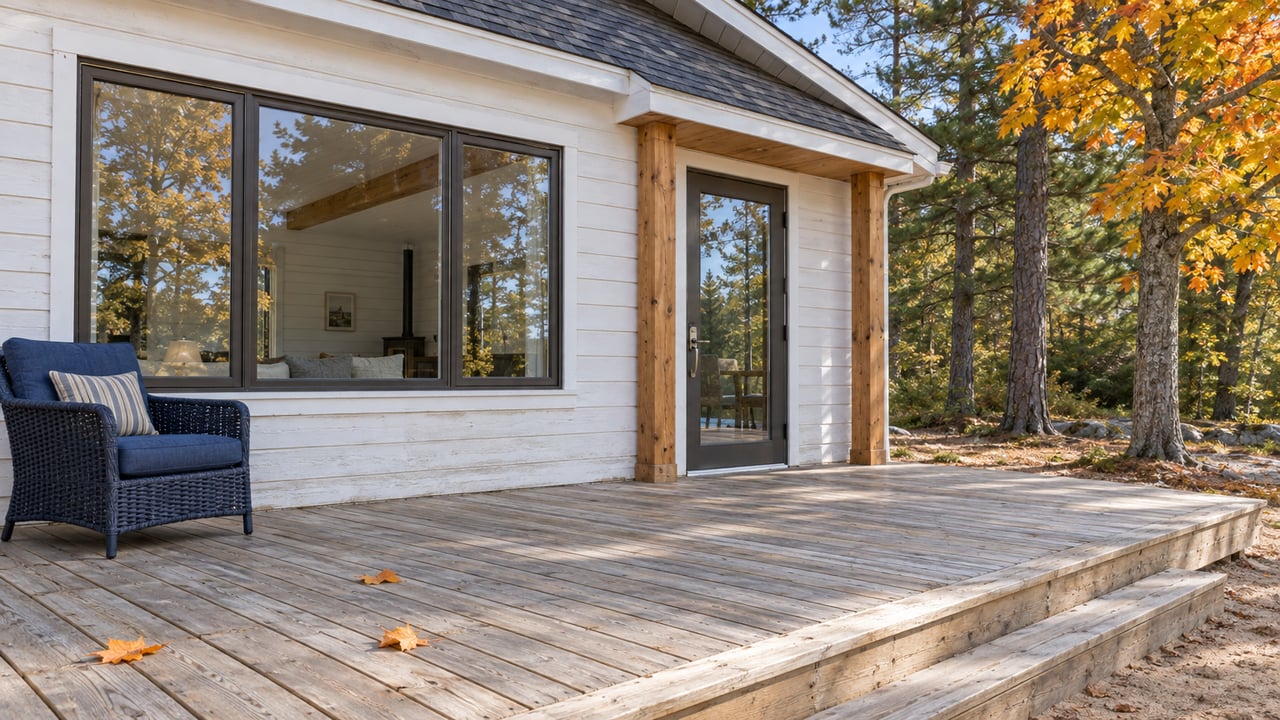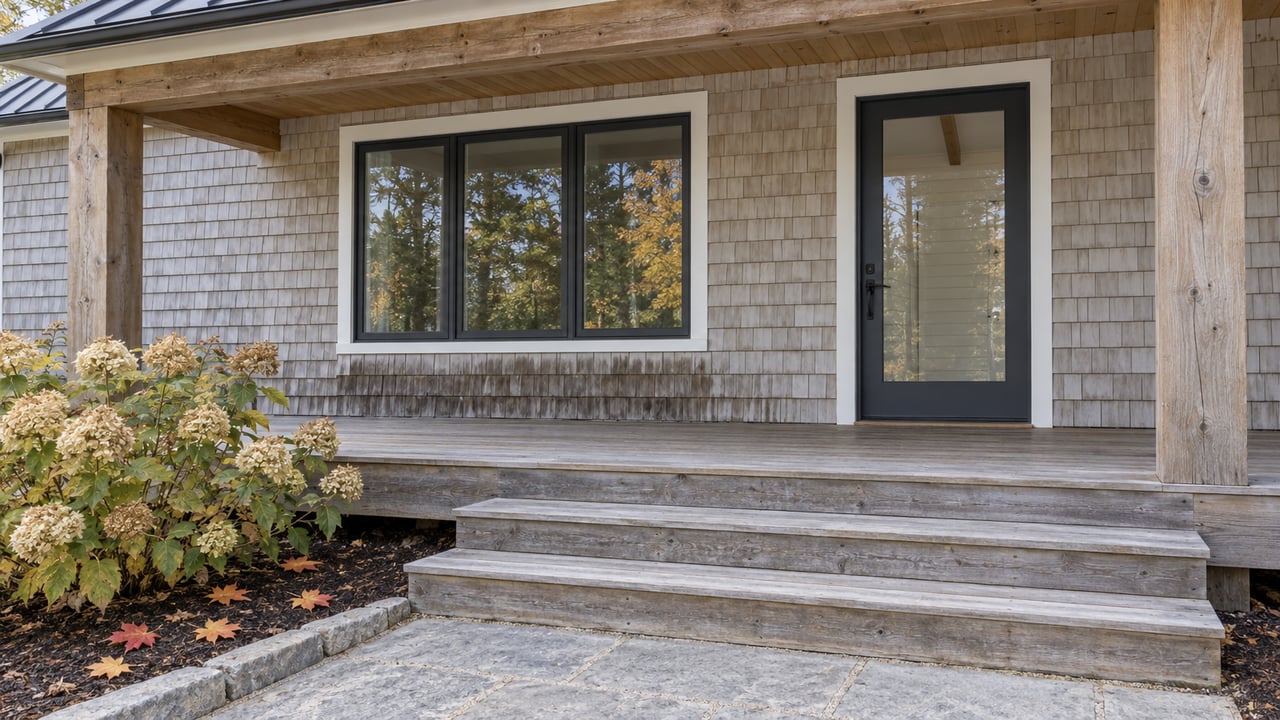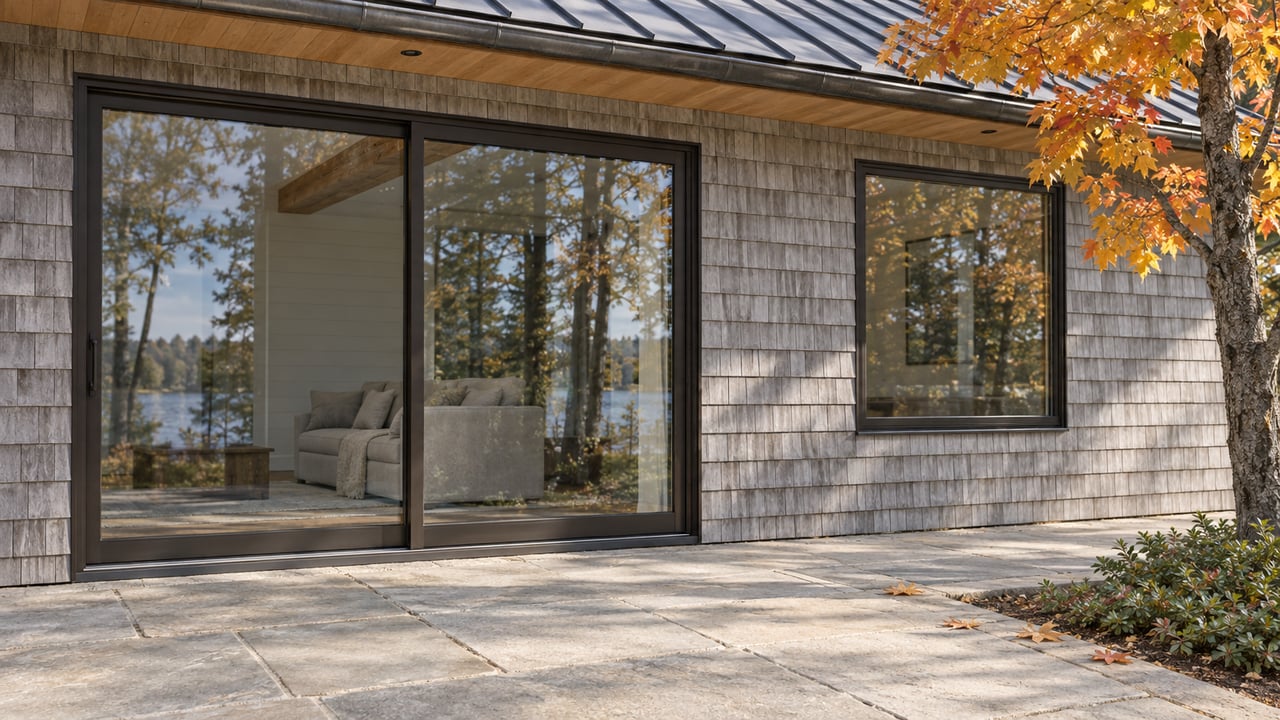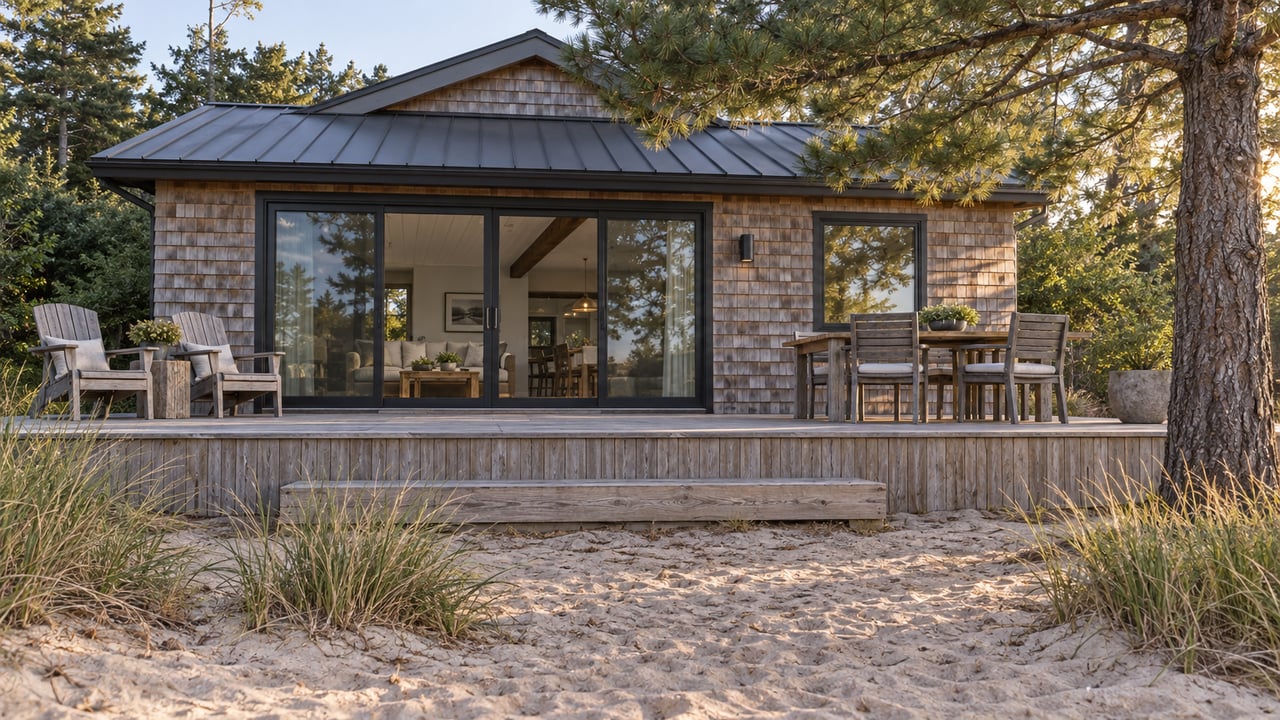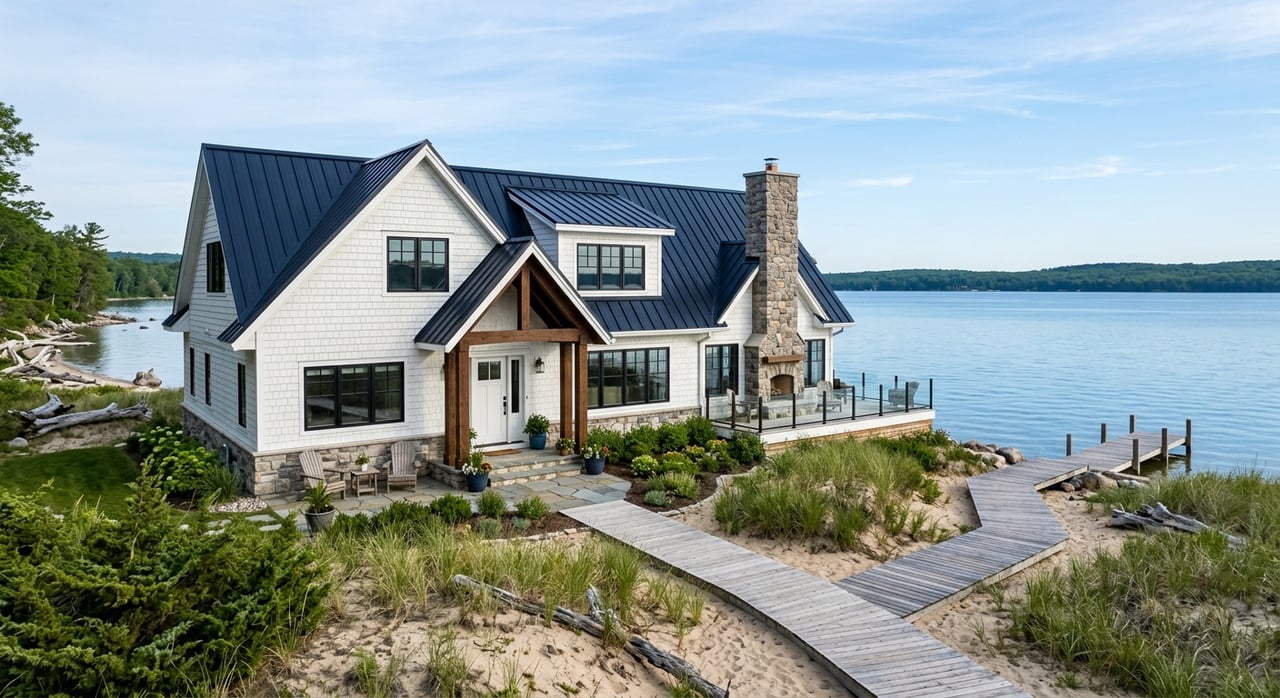
If you've ever pictured a Northern Michigan home where the water shapes your mornings, weekends, and even the pace of the seasons, Leelanau County belongs on your list. Waterfront living in Leelanau County is beautiful, but it is also more varied and more nuanced than many buyers expect. From shoreline styles and seasonal rhythms to access, stewardship, and property considerations, here’s what you should know before you start imagining life on the water in Leelanau County.
What waterfront living feels like here
Leelanau County is a peninsula, so water is not just a backdrop. It is part of the county’s daily life, landscape, and identity. The lakes Big Glen, Little Glen, and Lake Leelanau are the county’s largest lakes, and Lake Michigan shorelines and Grand Traverse Bay are defining natural resources.
That means “living on the water” can look very different depending on where you land. Some properties are tied to broad Lake Michigan views, others feel tucked into inland-lake settings, and some place you closer to village harbors and day-to-day community activity.
Different shorelines, different lifestyles
Not all waterfront in Leelanau County offers the same experience. Lake Michigan frontage may feel dune-backed, rocky, or bluff-like, while inland-lake areas around Glen Lake or Lake Leelanau often feel more sheltered and cottage-oriented. Bayfront settings near village centers can offer a different rhythm altogether, with closer ties to marinas, downtown shops, and harbor activity.
That variety is part of what makes the county so appealing. The county’s planning documents describe a landscape shaped by shoreline, dunes, orchards, woods, and small villages, which creates a very different sense of place from one shoreline to the next.
Water access is part of daily life
In Leelanau County, water access is not just for people with direct frontage. The county directory identifies numerous road-end access points and launch sites for Lake Michigan, West Grand Traverse Bay, Glen Lake, Lake Leelanau, the Leland River, Cedar Lake, Kehl Lake, and Suttons Bay.
That matters if you are comparing true waterfront ownership with homes that still offer strong recreational access nearby. It also matters because some launches are best suited for smaller boats, which shows how practical details can shape your experience just as much as the view.
Seasonal rhythms of waterfront life
One of the biggest draws of Leelanau County is that life on the water changes with the seasons. Summer gets the attention, but the waterfront lifestyle here is not limited to a few warm-weather months.
Summer brings peak waterfront living
Summer is when waterfront life is most visible. Beach days, boating, fishing, paddling, and island trips all become part of the local rhythm. The National Park Service notes that Sleeping Bear Dunes National Lakeshore outdoor recreation includes 35 miles of mainland Lake Michigan beaches, multiple kayak access points, river floating, and more than 100 miles of hiking trails.
Public beach use is active enough that the local health department monitors nine bathing beaches weekly during the summer swim season. That kind of routine testing is a simple but telling sign of how central shoreline use is to everyday life here.
Fall shifts toward scenic drives and wine country
Fall in Leelanau County feels a little slower, but still very active. Pure Michigan’s coastal road trip guide highlights the Leelanau scenic routes as standout drives for fall color, which helps explain why autumn weekends remain popular.
This is also when the county’s wine-country identity becomes especially visible. The Leelanau Peninsula Wine Trail includes more than 20 award-winning wineries and runs through a landscape known for orchards and vineyards.
Winter is quieter, not empty
Winter changes the pace, but it does not erase the lifestyle. Leelanau State Park offers year-round trails, and the park’s management plan notes seasonal expansion for winter recreation. In the broader Sleeping Bear area, winter activities include cross-country skiing, snowshoeing, sledding, and cold-season lakeshore outings.
For many homeowners, this is part of the appeal. The county can feel peaceful and understated in winter, especially compared with the activity of summer.
Spring highlights shoreline stewardship
Spring tends to bring the practical side of waterfront living into focus. The Benzie-Leelanau District Health Department beach monitoring program warns that E. coli levels can rise after heavy rain or high winds, and some shoreline areas at Cathead Bay may close seasonally due to piping plover nesting.
That is an important reminder that Leelanau’s shoreline is not just scenic. It is also monitored, protected, and actively managed.
Water, villages, food, and wine
For many buyers, the appeal of Leelanau County is not just the water itself. It is the way waterfront living connects to small villages, local food, and a landscape that feels distinct from other lake areas.
Village life shapes the experience
Leelanau County is not centered around one large downtown. Instead, the lifestyle is spread across smaller communities and harbor towns, each with its own pace and access to the water. That creates a chain of places where daily life often feels local, seasonal, and tied to the shoreline.
The county’s planning documents also note that Leelanau will continue to grow as a seasonal, tourist, and retirement-oriented community. That helps explain why the area can feel lively in the warmer months and more subdued at other times of year.
Food and wine are part of the setting
Leelanau’s food and wine culture is closely tied to the landscape. County planning materials identify the area as a major cherry-producing region, and the wine trail adds another layer to that orchard-and-vineyard character.
Pure Michigan’s M-22 and Sleeping Bear food guide points to a range of well-known stops across harbor villages and small towns, showing that dining here is less about one concentrated district and more about discovering places across the peninsula.
Practical things to consider before you buy
If you are thinking about buying waterfront property in Leelanau County, the lifestyle picture matters, but so do the details. This is a market where the word “waterfront” only tells part of the story.
Frontage type matters
A waterfront home here may offer sand beach, rock beach, dunes, wetlands, or bluff frontage. Those shoreline types can affect access, maintenance, privacy, and how you use the property day to day.
For example, Cathead Bay includes a narrow sand-and-rock beach backed by low dunes and wetlands, with seasonal protections in place for nesting birds. It is a good illustration of how natural beauty and environmental sensitivity often go together in Leelanau County.
Shoreline work is regulated
If you are thinking about future improvements, it is smart to understand the regulatory side early. Michigan EGLE explains that shoreline protection and related water-edge work may require review or permitting, including projects involving wetlands, inland lakes and streams, Great Lakes bottomlands, critical dunes, and high-risk erosion areas.
In practical terms, that can affect plans for shoreline stabilization, dredging, vegetation control, docks, or similar improvements. It is one reason local waterfront knowledge matters so much during a purchase.
Septic, wells, and groundwater deserve attention
Due diligence is especially important on waterfront and rural properties. The Benzie-Leelanau District Health Department on-site sewage program oversees permits for new, replacement, and modified sewage systems, and local approval is required before a building permit is issued for structures that need one.
The county’s planning documents also state that nearly the entire county depends on groundwater, with much of the mainland located over sensitive aquifers. That makes septic systems, runoff, and long-term water quality important parts of the ownership conversation.
Public access and water quality are active issues
Even if you own private frontage, shoreline life in Leelanau County exists within a larger public and environmental framework. Public bathing beaches are monitored in summer, and county and state sources consistently describe the shoreline, dunes, and wetlands as sensitive resources.
For many buyers, that is part of the attraction. The area’s beauty is tied to the fact that these landscapes are treated as important and worth protecting.
What the big picture means for you
Living on the water in Leelanau County can mean morning light over an inland lake, afternoons on Grand Traverse Bay, sunset views over Lake Michigan, or a home base near trails, beaches, wineries, and harbor towns. It is an appealing lifestyle, but it is not one-size-fits-all.
The right property depends on how you want to use the water, what kind of shoreline you prefer, how you feel about seasonal activity, and how comfortable you are with the realities of stewardship and property maintenance. In a place this varied, local guidance can make a real difference.
If you are exploring waterfront property in Leelanau County or nearby Northern Michigan markets, The Jon Zickert Group can help you evaluate the details behind the view and move forward with confidence.
FAQs
What does waterfront living in Leelanau County actually include?
- Waterfront living in Leelanau County can include Lake Michigan frontage, inland-lake frontage, bayfront settings near villages, or homes near public water access points and launch sites.
What are the biggest lifestyle differences between Lake Michigan and inland-lake properties in Leelanau County?
- Lake Michigan properties may have dune, rock, or bluff frontage and a more open-water feel, while inland-lake properties often feel more sheltered, cottage-oriented, and easier to access for day-to-day recreation.
What should buyers know about shoreline regulations in Leelanau County?
- Buyers should know that shoreline improvements such as stabilization, dredging, dock-related work, or vegetation changes may involve permitting and review through state regulatory processes.
What should buyers know about septic systems on Leelanau County waterfront property?
- Septic approval is a key due-diligence item because local health authorities oversee on-site sewage permits, and much of the county relies on groundwater in environmentally sensitive areas.
Is Leelanau County only a summer waterfront destination?
- No, summer is the busiest season, but fall brings scenic drives and wine-country activity, winter supports trails and snow recreation, and spring highlights the stewardship side of shoreline living.
How does public beach monitoring affect waterfront life in Leelanau County?
- Public beach monitoring reflects the county’s active approach to water quality, with advisories posted during summer when conditions are not suitable for swimming at monitored bathing beaches.