If you are thinking about buying on Big Glen or Little Glen Lake, it helps to know one thing right away: these two lakes may be connected, but they can live very differently. What looks like one simple waterfront search often turns into a much more specific decision about shoreline, water depth, boating style, and seasonal use. If you want to buy with more clarity and fewer surprises, this guide will walk you through the details that matter most. Let’s dive in.
Big Glen vs Little Glen
Big Glen and Little Glen sit within the Glen Lake and Crystal River watershed in Leelanau County, in the Sleeping Bear Dunes area. Glen Lake is nearly 5,000 acres overall, with Big Glen making up about 4,871 acres and Little Glen about 1,415 acres. The setting is heavily shaped by forest, groundwater, and protected land, which helps explain the area’s strong emphasis on scenery and shoreline stewardship.
Big Glen feels deeper and more open
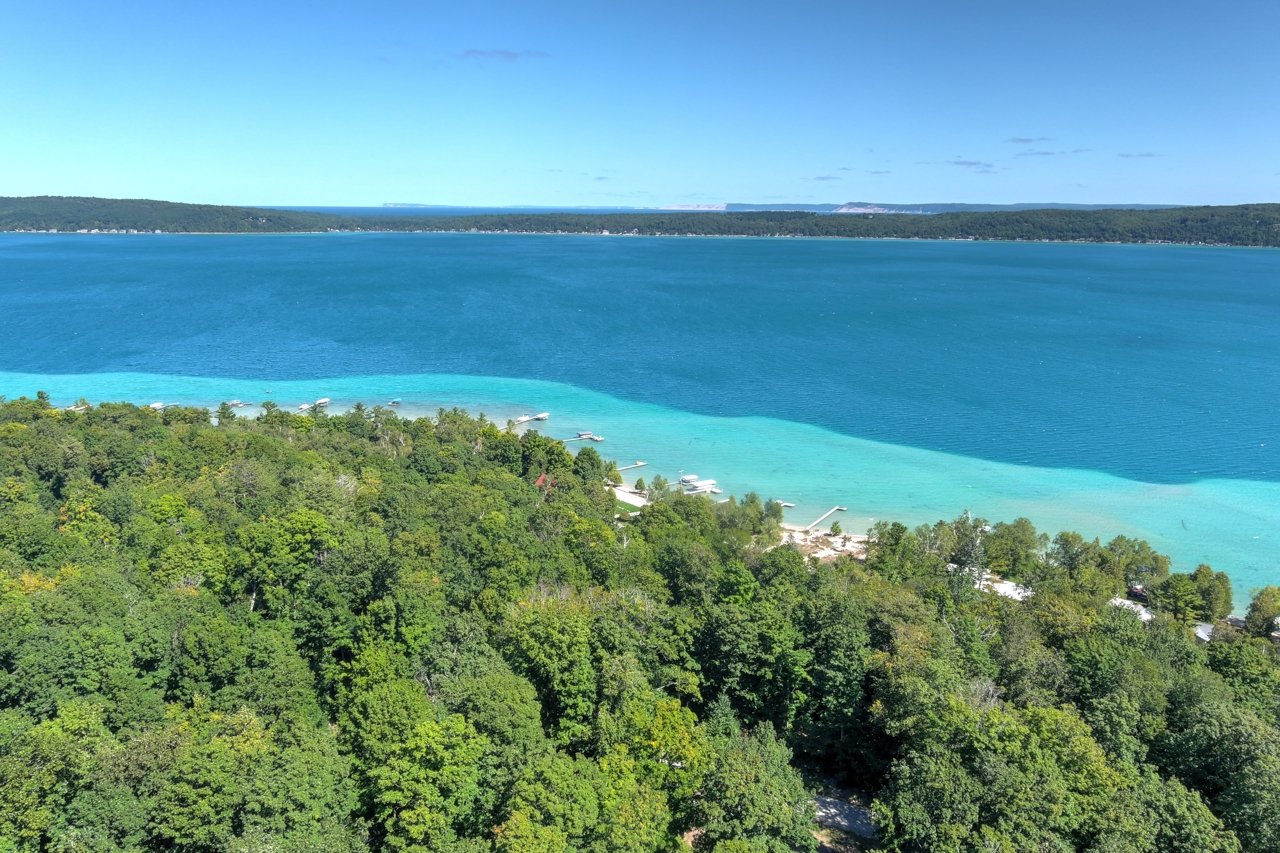
Big Glen is the deeper side of the system, with reported depths up to about 130 feet. State fishery reporting describes it as clear, low in productivity, and light on vegetation, with sandy bottomlands and rocky shoals near shore. For you as a buyer, that often means a more open-water feel that can be especially appealing for boating and swimming.
That said, deeper and clearer does not always mean simpler. Wind exposure, changing depth near shore, and dock setup can all affect how a property functions day to day. Two homes on the same lake can offer very different waterfront experiences depending on their parcel.
Little Glen feels shallower and softer
Little Glen is much shallower, with reported depths around 13 feet. It is described as warmer, more moderately vegetated, and sandy near shore, which often creates a gentler water feel for swimming, paddling, and casual shoreline use. If you picture easy summer days near the water’s edge, Little Glen may align more closely with that vision.
Sleeping Bear Dunes also identifies a public access area across from the Dune Climb with parking, restrooms, picnic tables, and an easy canoe and kayak launch. That public access reflects the more small-craft-friendly feel many buyers notice on Little Glen.
Waterfront value is about the shoreline
On Glen Lake, the house matters, but the shoreline often matters just as much. Local planning documents note that much of the shoreline is already divided into established lots, often with about 100 feet of frontage. Many parcels still have mature trees and limited lawn areas, which helps preserve the natural look that draws buyers here in the first place.
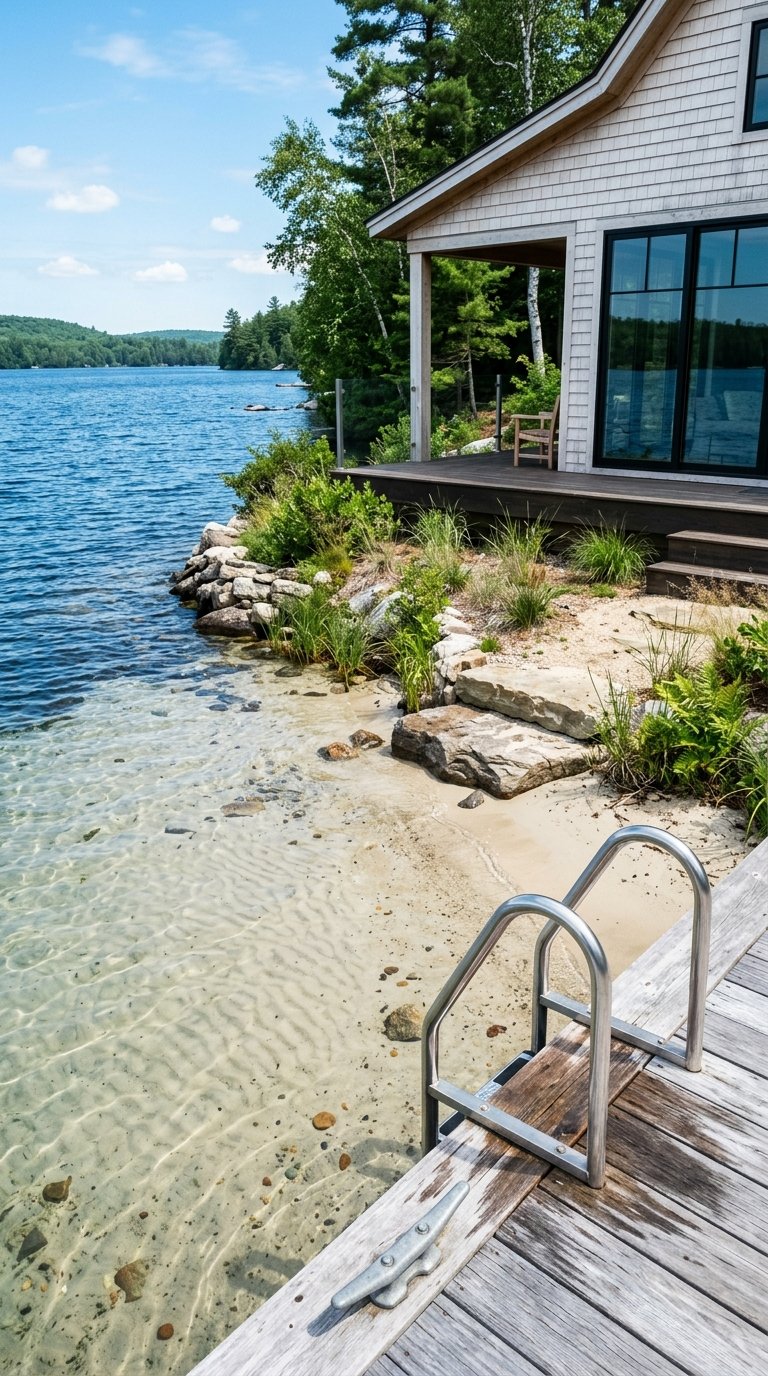
You will also find that some lots need longer docks because shallow water can extend well out from shore. That means a beautiful home does not automatically equal an easy waterfront setup. The shape of the lot, the water depth, vegetation, and the view corridor can have a major impact on how the property lives.
Why lot conditions deserve close review
This is an established waterfront market, and many homes have evolved over time from seasonal cottages to year-round residences. In both Glen Arbor Township and Empire Township planning materials, that long-term shift is clear. For buyers, that means you should evaluate not just the home’s updates, but also how the site itself supports your plans.
A few questions can go a long way:
- How shallow is the water off the dock area?
- How exposed is the shoreline to wind?
- How much usable waterfront space is there?
- What is the condition of the dock and shoreline vegetation?
- Does the parcel layout support the kind of lake use you want?
Boating comes with lake-specific rules
Boating is central to life on Glen Lake, but it is not a free-for-all. Michigan watercraft controls require slow-no wake operation in the channel connecting Big Glen and Little Glen on both sides of the M-22 bridge. That rule affects how you move between the two lakes and is worth understanding if easy boat circulation is high on your wish list.
The lake also has a stewardship-minded culture. The Glen Lake Association operates a boat wash during boating season to help prevent invasive species, and public access on Little Glen is geared more toward smaller craft. Together, those details point to a lake environment that values both recreation and protection of the resource.
Shoreline work is never one-size-fits-all
One of the biggest mistakes buyers can make on inland water is assuming every shoreline improvement is simple. In Michigan, the Department of Environment, Great Lakes, and Energy oversees many activities that affect inland lakes and streams, including dredging, filling, bottomland structures, and marina-related work. That alone should tell you that future changes at the water’s edge need careful review.
Glen Arbor Township also uses an ordinary high water mark of 596.75 feet above sea level for Big and Little Glen Lake and includes 100-foot shoreline frontage standards in its waterfront lot regulations. In practical terms, dock questions, shoreline changes, and site improvements should all be treated as parcel-specific due diligence. If you are serious about a property, this is where local waterfront guidance becomes especially valuable.
Seasonal living changes the experience
A summer showing can make any lake home feel easy to love, but Glen Lake is a four-season environment. Sleeping Bear Dunes notes that the area is busiest in summer, when inland lakes like Glen Lake tend to be warmer than Lake Michigan. That creates the classic boating, swimming, and paddling season many buyers picture.
The rhythm changes in the shoulder seasons and winter. Colder months shift the area toward snowshoeing, skiing, and ice fishing where conditions are safe. The National Park Service also warns that shelf ice is unstable and dangerous, which is an important reminder that winter lake living requires a different mindset than July does.
Water levels are managed
Water level is another part of the equation. The Glen Lake Association operates the Crystal River Dam under a court-ordered Water Sharing Management Plan, and local planning materials state that lake level is maintained at 596.75 feet above sea level. That management can help reduce erosion and support recreation, but it does not remove the need to study how a specific lot functions during spring, summer, and beyond.
When you look at a waterfront property here, it is smart to ask how seasonal water conditions affect dock placement, shoreline access, and everyday usability. A parcel that works well for one owner’s habits may not work the same way for yours.
Glen Lake compared with nearby options
Buyers looking in Leelanau and nearby Benzie County often compare Glen Lake with other well-known waterfront markets. Those comparisons can be helpful, especially if you are trying to decide what kind of lake setting feels right for you.
Lake Leelanau
Lake Leelanau is larger at about 8,729.7 acres and stretches roughly 15.2 miles long. Its North and South sections also differ in depth and vegetation. Compared with Glen Lake, Lake Leelanau often feels more segmented and spread out, while Glen tends to feel more compact and visually intimate.
Crystal Lake
Crystal Lake in Benzie County is larger still, at about 9,854 acres, with a reported maximum depth of around 165 feet. It generally offers a broader open-water experience. By contrast, Glen Lake often feels more wooded, tucked in, and closely tied to the Sleeping Bear Dunes landscape.
Platte Lake
Platte Lake is smaller than Glen overall, at about 2,516 acres, with a maximum depth around 90 feet. It has no lake-level control structure and remains connected to the Platte River watershed. Compared with Glen Lake, Platte can present a different mix of shoreline and water-level considerations.
What smart buyers verify before buying
Because Glen Lake waterfront is nuanced, solid due diligence matters. The most important questions usually go beyond square footage and finishes. They focus on how the property actually works as a waterfront asset.
Before moving forward, consider verifying:
- Riparian rights
- Dock placement and usability
- Shoreline depth and bottom conditions
- Septic and well condition
- Any shoreline or structure permits tied to the property
- Lot frontage and parcel configuration
- How seasonal water levels affect access and use
These checks are especially important if you are buying from out of town or comparing multiple waterfront options at once. On Big Glen and Little Glen, the best purchase is not always the one with the biggest house. It is the one where the home, shoreline, and lake use all fit your goals.
The bottom line on Glen Lake buying
Buying on Big Glen or Little Glen Lake means choosing more than an address. You are choosing a shoreline style, a water experience, and a property that needs to match how you actually want to live on the lake. Big Glen often appeals to buyers who want deeper, clearer, more open water, while Little Glen often fits buyers drawn to shallower, warmer, and more relaxed near-shore use.
In either case, this is a market where details matter. With an established waterfront setting, local zoning standards, state shoreline oversight, and strong seasonal variation, informed guidance can make a meaningful difference. If you are considering a purchase on Glen Lake or comparing it with other Northern Michigan waterfront options, The Jon Zickert Group can help you evaluate the shoreline, the property, and the bigger picture with confidence.
FAQs
What is the difference between Big Glen Lake and Little Glen Lake for buyers?
- Big Glen is deeper, clearer, and more open-water in feel, while Little Glen is shallower, warmer, and often better suited to paddling, swimming, and casual near-shore use.
What should you review before buying Glen Lake waterfront?
- You should closely review riparian rights, dock placement, shoreline depth, vegetation, septic and well condition, permits, frontage, and how the parcel functions across seasons.
Are there boating rules on Big Glen and Little Glen Lake?
- Yes. The channel connecting the lakes near the M-22 bridge is subject to slow-no wake operation on both sides.
Does shoreline work on Glen Lake require extra review?
- Yes. Activities such as dredging, filling, and bottomland structures can fall under Michigan inland lakes and streams oversight, so shoreline changes should be reviewed on a property-specific basis.
How does Glen Lake compare with Crystal Lake or Lake Leelanau?
- Glen Lake often feels more intimate and wooded, Lake Leelanau tends to feel more segmented and linear, and Crystal Lake usually offers a larger-scale open-water setting.
Is Glen Lake only a summer market?
- No. Summer is the busiest season, but the area also has shoulder-season and winter recreation, with lake conditions and use changing significantly throughout the year.